Blood tracking dogs: how to choose one and how they work
A guide for hunters: what makes a good tracking dog, the specialist breeds and what a search for wounded big game involves.
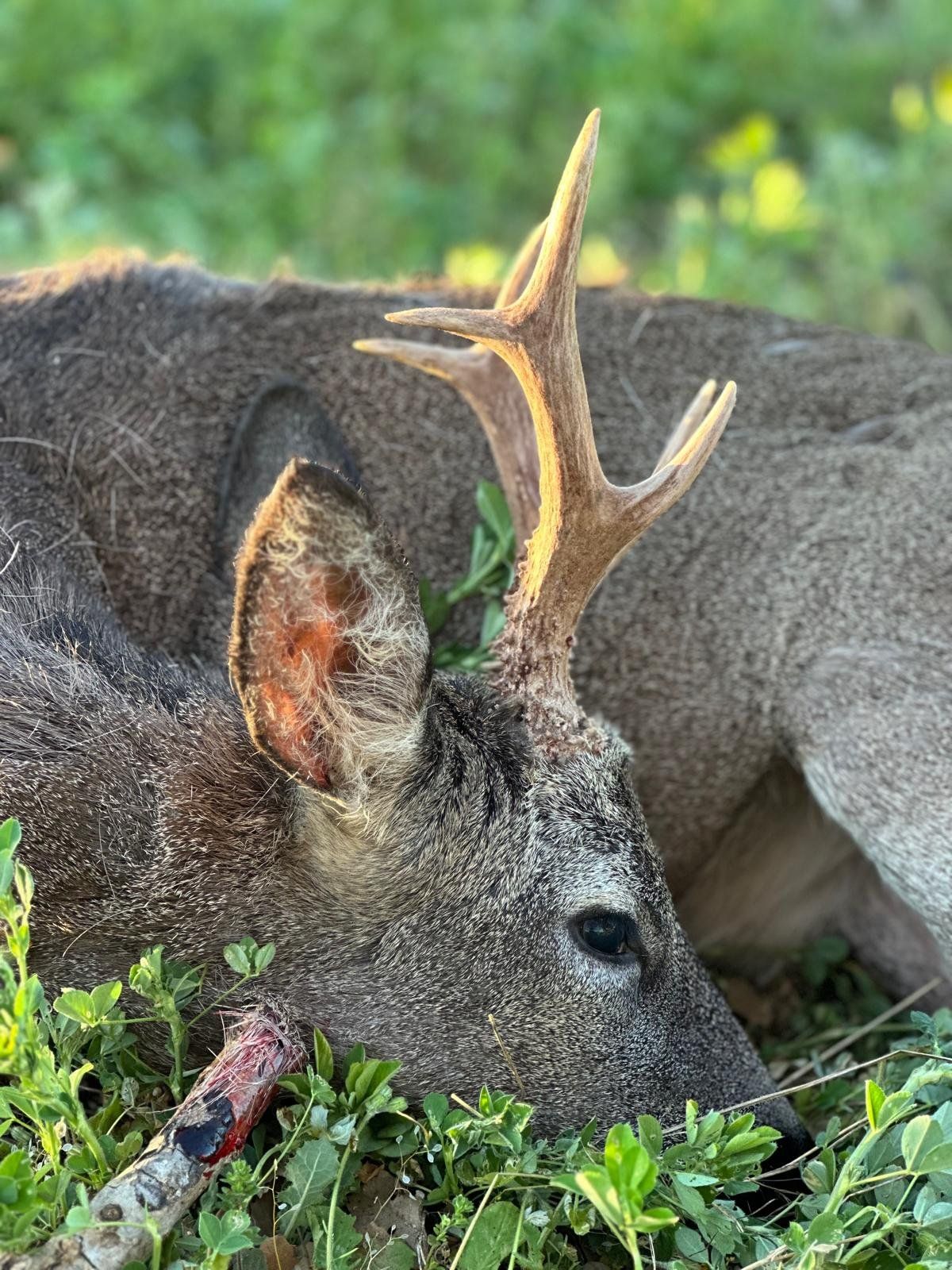
When a big-game animal is wounded, the hunter has an ethical duty to recover it. That is what the blood tracking dog is for: a dog that specialises in following the trail of a wounded animal, sometimes many hours after the shot, until it finds it.
What makes a good blood tracking dog
- A nose for cold tracks: able to follow a track that is hours old, not just fresh scent.
- Focus: staying on the track even when it crosses the line of healthy game.
- Calmness: working slowly and methodically, without rushing.
- Perseverance and stamina: some searches cover several kilometres of difficult terrain.
- A strong bond with the handler: dog and handler work as a team, on a long tracking leash.
The specialist breeds
Many hunting dogs can help to recover game, but some breeds have been developed exclusively for this work:
- Hanoverian Scent Hound: the classic tracker, heavier and more powerful. Highly valued in lowland and forest.
- Bavarian Mountain Hound: developed from the Hanoverian to give a lighter, more agile tracker for the mountains. Ideal for thick cover, steep slopes and difficult terrain like much of Spain’s.
- Bloodhound: considered the scent hound with the finest nose in the world. Excellent on very cold tracks and the benchmark for finding people, although its size makes it less agile in thick cover.
Bavarian Mountain Hound or Bloodhound?
If your main aim is recovering big game in the hills, the Bavarian Mountain Hound is usually the more practical choice thanks to its light build and stamina. The Bloodhound shines on very old tracks and in finding people, and it is a magnificent family dog, but it demands more space and patience. At our kennel we work with both breeds precisely because they complement each other.
What a search involves
- Mark the shot site and note the signs: blood, hair, the animal’s reaction to the shot.
- Don’t rush: wait a sensible length of time before starting, so that the wounded animal lies down and is not pushed on.
- Start at the shot site, with the dog on a long tracking leash, and let it work at its own pace.
- Read the dog: the handler learns to tell when it is on the right line and when it has lost the track.
- Reach the animal and recover it, dispatching it if necessary in accordance with the regulations.
How a tracking dog is trained
The foundations are laid in puppyhood with scent games and artificial blood tracks, short and fresh at first, which gradually become longer, older and laid with less blood. What matters most is consistency, and for the dog to associate tracking with something it loves. With good working lines and a patient handler, the dog progresses very quickly.
Before going out to search for real wounded game, check the hunting regulations in your country or region on the use of tracking dogs.
Hunting dog or family dog? · Our Bavarian Mountain Hounds · Puppies and litters
Would you like a puppy from Bavieras del Alcázar?
Tell us what you are looking for and we will let you know about our next litter.